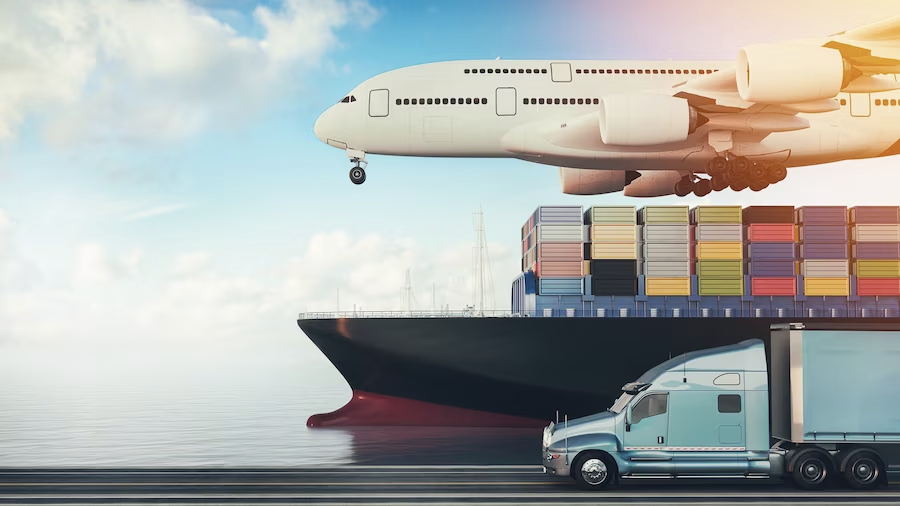
Rise of Sustainable Shipping – How Eco-Friendly Solutions Are Changing Exports
The world of logistics and supply chain management is going green, and that’s great news for businesses and the planet! As international trade grows, so does the impact of shipping on the environment. That’s why companies are embracing sustainable solutions to reduce carbon footprints, cut waste, and meet global environmental standards. Whether you’re an exporter, a freight forwarder, or just someone curious about the future of logistics, understanding these changes will help you stay ahead. So, how exactly is sustainable shipping reshaping the export industry? Let’s take a closer look!
Eco-Friendly Fuels: The Future of Greener Freight
You’ve probably heard about electric cars, but what about electric ships? The shipping industry is moving away from traditional fossil fuels and exploring greener alternatives like biofuels, hydrogen, and even wind-assisted propulsion. These eco-friendly fuels help reduce emissions, lower fuel costs, and make shipping more sustainable in the long run.
Major shipping companies are already testing liquefied natural gas (LNG), biofuel blends, and hydrogen-powered vessels to cut carbon output. While these alternatives aren’t perfect, they’re a huge step toward reducing the environmental impact of global trade. If your business depends on exports, keeping an eye on these new fuel technologies can help you make smarter, more sustainable shipping decisions.
Even better, regulations are pushing the industry toward cleaner solutions. The International Maritime Organization (IMO) has set strict carbon reduction goals, making it essential for companies to rethink their fuel choices. So, the next time you ship a container overseas, don’t be surprised if it’s running on algae-based biofuel or powered by wind-assisted sails!
Smarter Route Planning: Cutting Emissions One Mile at a Time
Would you take a longer route to work if there was a faster, fuel-efficient shortcut? Probably not! The same logic applies to global logistics and supply chain management. Thanks to AI and big data, companies are now optimizing shipping routes to reduce fuel consumption and minimize delays.
Advanced route-planning algorithms analyze weather patterns, ocean currents, and traffic congestion to find the most efficient shipping paths. By avoiding unnecessary detours, ships can use less fuel, cut down on emissions, and even deliver goods faster. That’s a win-win for businesses and the environment!
But it’s not just about ships—trucking and air freight are also becoming smarter. Many logistics companies are adopting electric and hybrid delivery vehicles for shorter routes, reducing the reliance on diesel-powered trucks. Plus, drones are making their way into last-mile delivery, ensuring goods arrive on time with minimal environmental impact.
For exporters, these innovations mean fewer delays, lower shipping costs, and a greener supply chain. So, if you’ve ever wondered whether technology could make exports more sustainable, the answer is a big yes!
Sustainable Packaging: Less Waste, More Efficiency
Think about how much plastic and cardboard goes into a single shipment. Now, multiply that by millions of containers moving around the world every day. That’s a lot of waste! Luckily, companies are adopting eco-friendly packaging solutions to reduce their environmental footprint and improve shipping efficiency.
Biodegradable materials, reusable crates, and minimalistic packaging designs are replacing bulky, wasteful options. Some businesses are even using mushroom-based packaging (yes, mushrooms! ) as a compostable alternative to plastic. These small changes make a huge difference when it comes to sustainability in logistics and supply chain management.
Beyond the environmental benefits, sustainable packaging can also cut costs. Lighter materials reduce freight weight, lowering fuel consumption and shipping fees. Plus, some countries are introducing stricter regulations on plastic waste, making it essential for exporters to go green or risk fines.
If you’re an exporter, switching to eco-friendly packaging isn’t just good for the planet—it’s also a smart business move. Consumers and companies alike are looking for sustainable products, and green shipping practices could give you a competitive edge.
Sustainability Is the Future of Logistics
The rise of sustainable shipping isn’t just a trend—it’s the future of logistics and supply chain management. From greener fuels to AI-powered route planning and eco-friendly packaging, the industry is making real strides toward sustainability.
As an exporter, embracing these changes can help your business stay competitive, reduce costs, and meet global sustainability goals. The best part? You’ll be playing a role in protecting the planet while keeping global trade moving forward.
So, whether you’re shipping goods across the ocean or managing a supply chain, now’s the time to go green. After all, the future of exports isn’t just about speed and cost—it’s about sustainability too!
The Impact of Geopolitics on Supply Chains – Navigating International Disruptions
In today’s world, logistics and supply chain management are more connected to global politics than ever before. One political decision, trade restriction, or conflict can send shockwaves through international trade. If you rely on exports, you’ve probably felt the effects of geopolitical disruptions—whether it’s a sudden tariff hike, a blocked shipping route, or a supply shortage caused by diplomatic tensions. These challenges can feel overwhelming, but the good news is that businesses are finding ways to adapt. Let’s explore how geopolitics shapes supply chains and how you can stay ahead in uncertain times.
Trade Wars and Tariffs: When Politics Meets Pricing
Trade wars can be unpredictable, but they have a direct impact on logistics and supply chain management. When two countries impose tariffs on each other’s goods, businesses often face higher costs, longer shipping times, and reduced market access. One day, your exports might be flowing smoothly, and the next, you’re hit with unexpected fees that make your products less competitive.
For example, recent trade disputes between major economies have led to increased tariffs on goods ranging from electronics to agricultural products. As a result, companies are forced to rethink their sourcing strategies and look for alternative suppliers in different regions. Some businesses have shifted manufacturing to tariff-friendly countries, while others have found ways to negotiate better deals with their logistics partners.
If you’re an exporter, keeping an eye on international trade policies is crucial. Diversifying suppliers, staying informed about tariff changes, and working with freight forwarders who understand global trade agreements can help you navigate these challenges. While you can’t control trade wars, you can certainly prepare for them.
Shipping Routes and Political Conflicts: When Borders Become Barriers
Geopolitical tensions don’t just affect trade agreements; they can physically disrupt supply chains by blocking key shipping routes. When conflicts arise, ports may close, cargo may be delayed, and businesses may need to find alternative shipping methods. These disruptions can lead to increased costs, missed deadlines, and frustrated customers.
For instance, tensions in certain regions have caused rerouted shipping lanes, higher fuel costs, and longer transit times. Businesses that depend on specific trade corridors often struggle to find quick solutions when sudden changes occur. Air freight may offer a faster alternative, but it comes with higher costs that not every company can afford.
The best way to prepare for these challenges is to build a flexible logistics strategy. Working with multiple carriers, using real-time tracking, and developing contingency plans can help you avoid major disruptions. If one route becomes unavailable, having a backup plan can save you time, money, and stress.
Raw Material Shortages and Export Restrictions: When Supply Chains Slow Down
In addition to trade policies and route disruptions, geopolitical events can cause raw material shortages and export restrictions. When certain countries limit the export of essential materials—such as rare minerals, agricultural goods, or industrial components—businesses that rely on these resources face major setbacks.
For example, recent restrictions on semiconductor exports have created global supply chain challenges, especially for industries like automotive, electronics, and manufacturing. When one country limits access to a key material, businesses must look elsewhere, which can increase costs and lead to production delays.
To avoid these bottlenecks, companies are adopting nearshoring and reshoring strategies. This means moving production closer to home or working with suppliers in politically stable regions. While this may not always be the cheapest solution, it helps reduce the risks associated with geopolitical instability. If your business relies on specific raw materials, now is the time to explore alternative sources before supply chain disruptions impact your operations.
How Businesses Can Adapt to Geopolitical Uncertainty
Geopolitical risks will always be part of logistics and supply chain management, but that doesn’t mean businesses can’t prepare for them. One of the best ways to stay resilient is to diversify your supply chain. Relying on a single country or supplier increases vulnerability, so exploring multiple sourcing options can help reduce risk.
Another important strategy is to stay informed about global trade developments. Understanding how international policies, conflicts, and agreements affect your industry will allow you to make proactive decisions. Many businesses work with trade advisors or supply chain consultants to get expert insights on how to manage risks effectively.
Technology also plays a crucial role in supply chain resilience. Real-time tracking, data analytics, and AI-powered forecasting help businesses predict disruptions and adjust strategies before problems escalate. If geopolitical uncertainty is a concern, investing in digital tools can provide valuable insights and improve overall efficiency.
Navigating an Unpredictable World
Geopolitical events can disrupt supply chains in unexpected ways, but businesses that plan ahead will be better equipped to handle uncertainty. From tariff fluctuations and trade wars to shipping disruptions and raw material shortages, staying flexible and well-informed is the key to success. By diversifying suppliers, leveraging technology, and staying updated on global policies, you can protect your business from major setbacks.
While you can’t predict every geopolitical challenge, you can take steps to make your supply chain stronger, more adaptable, and ready for whatever comes next. In an unpredictable world, resilience is the best strategy.
The Impact of Geopolitics on Smart Warehousing & Automation – Why AI-Powered Logistics Hubs Are the Future
In a world where global events can shift overnight, logistics and supply chain management must adapt quickly. Trade disputes, border restrictions, and shifting economic alliances impact how goods move across the world. To stay ahead, businesses are turning to smart warehousing and automation, using artificial intelligence to improve efficiency and reduce dependency on unpredictable human labor markets. But how does geopolitics shape the way warehouses operate? Let’s explore how AI-powered logistics hubs are transforming the industry in response to global uncertainty.
Supply Chain Disruptions Are Driving the Need for Automation
When geopolitical tensions rise, supply chains feel the impact almost immediately. Trade restrictions, tariff changes, and labor shortages can cause shipping delays and inventory shortages. This unpredictability forces businesses to find solutions that keep operations running smoothly, regardless of external challenges. One of the most effective ways to do this is through automated warehouses that rely on AI, robotics, and data analytics.
Unlike traditional warehouses, smart logistics hubs don’t rely entirely on human workers to manage inventory, sort products, or handle shipments. Instead, AI-powered systems can analyze supply chain data, predict demand fluctuations, and even reorganize warehouse operations to avoid bottlenecks. Automation allows businesses to respond faster to geopolitical disruptions, ensuring that critical goods are stocked, shipments are processed efficiently, and supply chains remain agile.
If you rely on exports, investing in AI-driven warehousing solutions can protect your business from sudden geopolitical shifts. With automated systems in place, you won’t have to worry as much about workforce shortages, border delays, or unexpected changes in demand.
Trade Regulations Are Accelerating the Shift to Smart Warehousing
Governments around the world are tightening regulations on imports, exports, and cross-border trade. Compliance with these evolving laws can be complex, especially when dealing with multiple countries. Businesses that fail to meet regulatory requirements risk costly fines, shipment delays, or even blocked deliveries. This is where AI-powered warehousing comes in, helping companies navigate trade restrictions more efficiently.
Smart warehouses integrate AI-driven software that automatically tracks regulatory changes, updates inventory classifications, and ensures compliance with import/export laws. Instead of relying on manual paperwork or outdated systems, businesses can streamline processes and reduce the risk of non-compliance.
Automation also enhances customs clearance procedures, allowing goods to move faster across borders. AI-powered systems can generate accurate documentation, flag potential compliance issues, and optimize shipping routes based on current trade agreements. With geopolitical uncertainty affecting global trade, companies using smart warehousing gain a competitive advantage by reducing delays and avoiding regulatory roadblocks.
The Future of AI-Driven Logistics Hubs in a Changing World
As geopolitics continues to shape global trade, businesses that embrace smart warehousing and automation will be better equipped to handle uncertainty. AI-powered logistics hubs are not just about improving efficiency—they provide stability in an unpredictable world. With automation reducing the risks of labor shortages, trade restrictions, and compliance challenges, companies can focus on growing their global footprint without constant supply chain worries.
Looking ahead, AI-driven logistics will become the new standard in supply chain management. Businesses that adapt now will stay competitive, while those that rely on outdated systems may struggle to keep up. Whether you’re an exporter or a logistics provider, investing in smart warehousing solutions is the key to future-proofing your operations in a rapidly changing world.
The Role of E-Commerce in Global Freight – Growing Demand for Cross-Border Trade
The rise of e-commerce has changed how businesses operate, and logistics and supply chain management are feeling the impact. More people than ever are shopping online, and businesses are no longer limited to selling within their own countries. The demand for fast, efficient, and cost-effective global shipping has skyrocketed, pushing freight companies to innovate and streamline cross-border trade. If you’re in the export business, understanding how e-commerce is shaping international freight will help you stay ahead. Let’s explore how the digital shopping boom is transforming global logistics.
E-Commerce Is Driving International Freight Growth Like Never Before
Gone are the days when international shipping was mainly for large corporations. Today, even small businesses can sell products worldwide thanks to online marketplaces and direct-to-consumer models. Global e-commerce sales are expected to keep rising, which means the need for efficient freight solutions is greater than ever.
Consumers want faster deliveries, lower shipping costs, and real-time tracking, putting pressure on freight companies to optimize their services. This demand is driving investments in automated warehouses, AI-driven route planning, and expanded fulfillment networks to handle high order volumes.
For exporters, this presents a huge opportunity. Expanding into new markets is easier than before, but it also means adapting to changing regulations, customs processes, and last-mile delivery challenges. The businesses that master these logistics will be the ones leading the way in the e-commerce revolution.
Cross-Border Shipping Challenges Are Reshaping Logistics Strategies
Selling to an international audience is exciting, but it comes with its own set of challenges. Customs regulations, import taxes, currency exchange rates, and shipping restrictions can make cross-border trade more complicated than domestic sales. Without a strong logistics plan, businesses risk delays, lost packages, and unhappy customers.
To overcome these challenges, freight companies are developing smart logistics solutions that automate customs paperwork, optimize shipping routes, and integrate local carriers for last-mile delivery. Businesses that use e-commerce-friendly shipping options, such as localized fulfillment centers and duty-paid shipping, can avoid long delays at customs and keep customers happy.
Many e-commerce businesses are also adopting multi-carrier shipping strategies to avoid bottlenecks caused by geopolitical events or seasonal demand surges. Instead of relying on one shipping provider, companies spread their shipments across multiple carriers to ensure reliable delivery, no matter what happens in global trade.
Consumer Expectations Are Changing the Freight Industry
E-commerce customers today expect fast and affordable shipping, and businesses that fail to meet these expectations risk losing sales. Thanks to giants like Amazon, same-day and next-day delivery have become the standard in many regions. This has forced freight companies, warehouses, and exporters to rethink their supply chain strategies.
One major shift is the rise of micro-fulfillment centers, which store inventory closer to customers for quicker delivery. Instead of shipping everything from one central warehouse, businesses are distributing stock across multiple locations worldwide. This reduces transit times and helps avoid shipping delays caused by unexpected supply chain disruptions.
Technology is also playing a huge role in meeting consumer demands. AI-powered logistics platforms, automated sorting systems, and real-time shipment tracking are making it easier for businesses to manage cross-border deliveries efficiently. If you’re an exporter, using these advanced logistics tools can help you compete in a fast-moving e-commerce landscape.
The Future of E-Commerce and Global Freight
E-commerce will continue to fuel the growth of logistics and supply chain management, with businesses looking for faster, cheaper, and more reliable international shipping options. Freight companies that invest in automation, AI-driven logistics, and multi-channel fulfillment will have a major advantage in handling the growing volume of cross-border shipments.
For exporters, the key to success is adapting to new shipping technologies, understanding international trade regulations, and partnering with logistics providers that specialize in e-commerce fulfillment. The future of global freight belongs to businesses that can deliver quickly, navigate customs efficiently, and keep up with evolving consumer expectations.
As cross-border trade becomes more seamless, businesses of all sizes will have greater opportunities to expand globally. The companies that stay ahead of these logistics trends will be the ones shaping the future of e-commerce-driven freight.
Final Thoughts: The Future of Global Trade and Logistics
The world of logistics and supply chain management is evolving rapidly, shaped by geopolitics, sustainability, automation, and the unstoppable rise of e-commerce. As international trade becomes more complex, businesses must stay agile to overcome challenges like tariffs, labor shortages, environmental regulations, and shifting consumer expectations.
AI-powered smart warehousing and automation are revolutionizing the industry, helping companies adapt to unpredictable geopolitical shifts and labor market fluctuations. Meanwhile, sustainability initiatives are transforming global freight, pushing businesses toward greener, more cost-effective shipping solutions. At the same time, the growing demand for fast, efficient cross-border trade is forcing logistics providers to rethink traditional supply chain models.
For exporters, the key to success lies in embracing technology, diversifying supply chains, and staying ahead of global trends. Those who invest in smart logistics today will be the leaders of tomorrow. In an unpredictable world, adaptability is the ultimate competitive advantage.